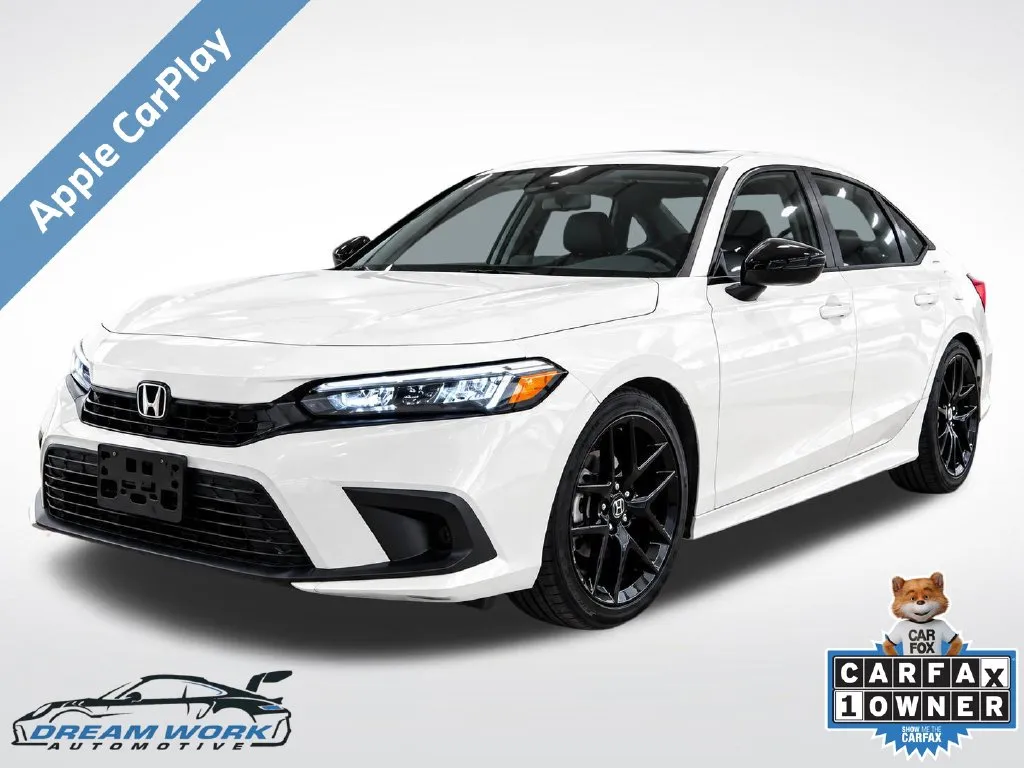

What Actually Determines Your Car's Trade-In Value?
Table of Contents
- What Actually Determines Your Car's Trade-In Value?
- 1. Year, Make and Model
- 2. Mileage
- 3. Overall Condition
- 4. Accident and Vehicle History
- 5. Trim Level and Equipment
- 6. Current Market Demand
- 7. Vehicle Color and Configuration
- 8. Maintenance and Service History
- Find Out What Your Car Is Worth at Dream Work Automotive
What Actually Determines Your Car's Trade-In Value?
You may know your car's year, make, model, and mileage, but those aren't the only things that determine what it's worth.
Two vehicles that look almost identical online can have very different trade-in values once they're evaluated in person.
At Dream Work Automotive in Charlotte, NC, several factors are considered when determining the value of a trade. Here's what can make the biggest difference.
1. Year, Make and Model
The basics are the starting point.
Your vehicle's year, make, model, and configuration help establish its general market value. Some vehicles hold their value better than others because they're more desirable in the used-car market.
Demand matters, too. A vehicle that's popular with used-car shoppers may be worth more than a similarly priced vehicle that is harder to sell.
2. Mileage
Mileage is one of the first things buyers think about, and it can definitely affect your trade-in value.
Generally, a lower-mileage vehicle may be worth more than an identical vehicle with significantly higher mileage.
But mileage doesn't tell the entire story.
A well-maintained vehicle with 70,000 miles may be more appealing than a poorly maintained vehicle with 50,000 miles. That's why the overall condition matters just as much.
3. Overall Condition
This is where an in-person appraisal becomes important.
The exterior, interior, tires, mechanical condition, and general appearance of your vehicle can all affect its value.
An appraisal may take into account things like:
- Scratches, dents, and body damage
- Interior stains, tears, or excessive wear
- Tire condition
- Warning lights
- Mechanical issues
- Windshield or glass damage
- Missing or damaged equipment
- Unusual odors
- Overall cleanliness and care
Normal wear is expected on a used vehicle. You don't need your trade to look brand new, but condition can influence what someone is willing to pay for it.
4. Accident and Vehicle History
Your vehicle's history can also play a role in its value.
Previous accidents, damage reports, title history, number of owners, and documented service history may all be considered during an appraisal.
An accident doesn't automatically make a vehicle undesirable, but the type and extent of previous damage can matter.
This is another reason two vehicles with the same year, trim, and mileage can receive different values.
5. Trim Level and Equipment
Not every version of the same vehicle is worth the same amount.
A higher trim level or desirable equipment package may increase demand for your vehicle.
Features such as 4WD or AWD, leather seating, premium audio, advanced safety technology, panoramic sunroofs, towing packages, larger engines, upgraded wheels, and higher trim packages can make a difference depending on the vehicle and current market.
For example, a base-model pickup and a well-equipped version of the same truck may have very different values even if their mileage is similar.
6. Current Market Demand
Your trade-in value isn't determined in a vacuum.
The used-car market is constantly changing.
If there is strong demand for your particular vehicle, body style, engine, or configuration, that can help its value. If there are many similar vehicles available and fewer buyers looking for them, the opposite can happen.
SUVs, trucks, fuel-efficient commuters, hybrids, luxury vehicles, and other categories can move differently depending on what's happening in the market.
That's why an online value you received months ago may not match what your vehicle is worth today.
7. Vehicle Color and Configuration
Yes, even color can matter.
Certain exterior and interior color combinations may appeal to a larger group of buyers, while unusual combinations can have a smaller audience.
Configuration can matter even more.
For trucks, buyers may care about cab configuration, bed length, drivetrain, towing equipment, engine, and packages. For SUVs, seating capacity, AWD, trim, and equipment can make a difference.
It's not simply about what vehicle you own. It's about the exact version you own.
8. Maintenance and Service History
A vehicle that's been properly maintained can be more appealing than one with an unknown or inconsistent history.
Oil changes, tire maintenance, brake service, scheduled maintenance, and other records can help show how a vehicle has been cared for.
You don't necessarily need a binder containing every receipt since the day you bought it, but available maintenance records can be helpful when evaluating a vehicle.
Should You Fix Your Car Before Trading It In?
Lorem Ipsum is simply dummy text of the printing and typesetting industry.
Does Owing Money Affect Your Car's Value?
Can You Trade In Your Car If You Don't Buy From Us?
Find Out What Your Car Is Worth at Dream Work Automotive
Online trade-in tools can give you a starting point, but they don't always see what an in-person appraisal can.
Your vehicle's mileage, condition, history, equipment, trim, maintenance, configuration, and current market demand all work together to determine its value.
If you're considering trading, selling, or upgrading your current vehicle, bring it to Dream Work Automotive in Charlotte, NC.
We'll take a look at the actual vehicle and help you understand what it's worth in today's market.
And remember, we'll consider your trade even if you don't buy your next vehicle from us.
Trade-in values vary based on vehicle condition, mileage, equipment, history, current market conditions, and other factors. Any value or equity examples shown are illustrative only and do not represent a guaranteed appraisal or offer.