
Why a Used Luxury Car May Cost Less Than You Think
Table of Contents
- Why a Used Luxury Car May Cost Less Than You Think
- Luxury Vehicles Can Depreciate Quickly
- Your Budget May Get You More Than You Expect
- You May Get More Features for Your Money
- A Few Years Old Doesn't Mean Outdated
- Luxury Can Mean More Than Just Technology
- What About Used Luxury SUVs?
- Does a Used Luxury Car Cost More to Maintain?
- Used Luxury Cars in Charlotte, NC
- Don't Assume Luxury Is Out of Reach
Why a Used Luxury Car May Cost Less Than You Think
Luxury Vehicles Can Depreciate Quickly
One of the biggest reasons used luxury vehicles can offer so much value is depreciation.
New vehicles generally lose value over time, but some luxury models can experience significant depreciation during their first several years of ownership.
That's not necessarily good news for the original owner, but it can create an opportunity for the next buyer.
Instead of paying the original price of a new luxury vehicle, you may be able to purchase that same vehicle a few years later for considerably less.
You're still getting the premium badge, upscale interior, technology, and driving experience, but someone else has already absorbed a large portion of the initial depreciation.
Your Budget May Get You More Than You Expect
Imagine you're shopping with a budget around $30,000.
Your first instinct might be to look exclusively at newer mainstream sedans or SUVs. There's nothing wrong with that, but it's worth comparing those vehicles with what's available on the pre-owned luxury market.
Depending on current inventory, that same budget could potentially put vehicles from BMW, Mercedes-Benz, Audi, Lexus, Volvo, Genesis, or other premium brands into the conversation.
Suddenly, the question changes from:
"Can I afford a luxury vehicle?"
to:
"Which type of vehicle gives me the most for my budget?"
You May Get More Features for Your Money
One of the most appealing parts of buying used luxury is the equipment.
Features that are optional or reserved for higher trim levels on newer mainstream vehicles may already be included on a pre-owned luxury model.
Depending on the vehicle, you could find features such as:
- Heated and ventilated seats
- Panoramic sunroofs
- Premium leather interiors
- Head-up displays
- Premium audio systems
- Navigation
- Memory seating
- Surround-view cameras
- Adaptive cruise control
- Blind-spot monitoring
- Advanced driver-assistance technology
- Power and hands-free liftgates
- Upgraded interior lighting
If you're comparing vehicles based only on model year and price, you could miss how much additional equipment you're actually getting.
A Few Years Old Doesn't Mean Outdated
Automotive technology has advanced quickly, but that doesn't mean a three-, four-, or five-year-old luxury vehicle suddenly feels old.
Many premium vehicles received technology years ago that has only recently become common in less expensive models.
A used luxury car may still offer large displays, smartphone integration, digital gauges, advanced safety systems, premium sound, sophisticated interior lighting, and driver-assistance features that make it feel modern today.
This is one reason it's worth looking at the actual vehicle instead of automatically deciding you need the newest model year available.
Luxury Can Mean More Than Just Technology
There's another difference that's harder to show on a feature list.
Luxury vehicles are often designed around the entire driving experience.
Depending on the model, you may notice differences in seat comfort, cabin materials, sound insulation, ride quality, steering feel, acceleration, interior design, and overall refinement.
Those details become especially noticeable if you spend a lot of time behind the wheel.
For someone commuting around Charlotte every day, a quieter cabin and more comfortable seats may be features you appreciate far more often than something flashy on a specification sheet.
What About Used Luxury SUVs?
This is where shopping pre-owned can get particularly interesting.
New luxury SUVs can carry substantial price tags, especially once options and packages are added.
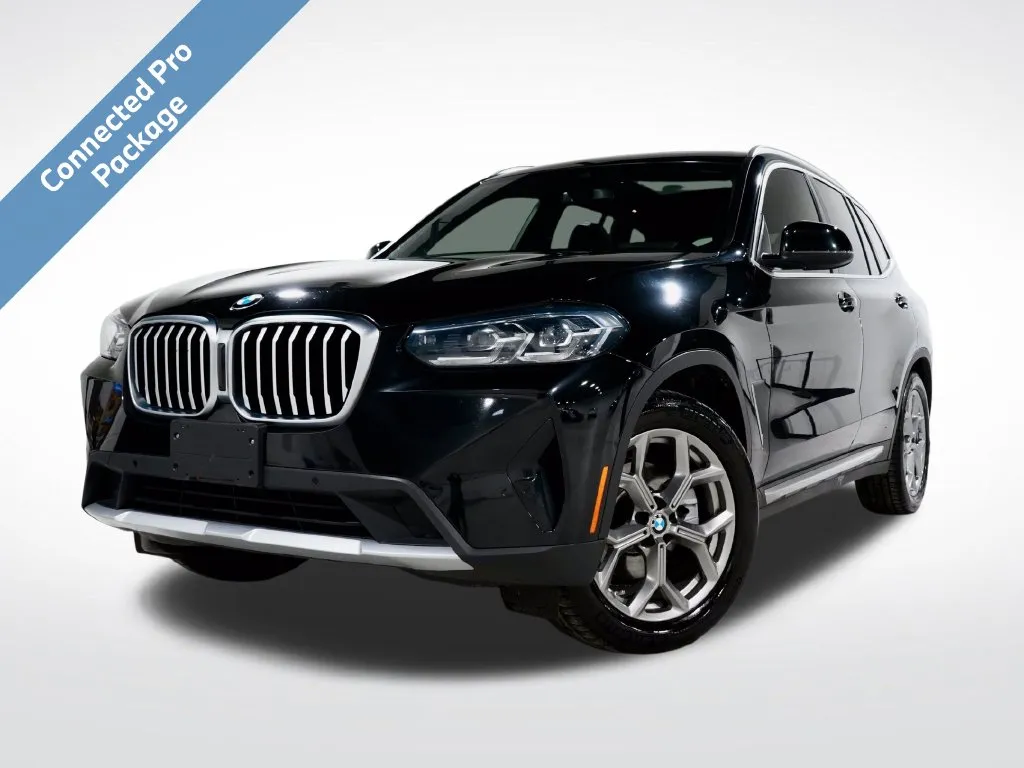
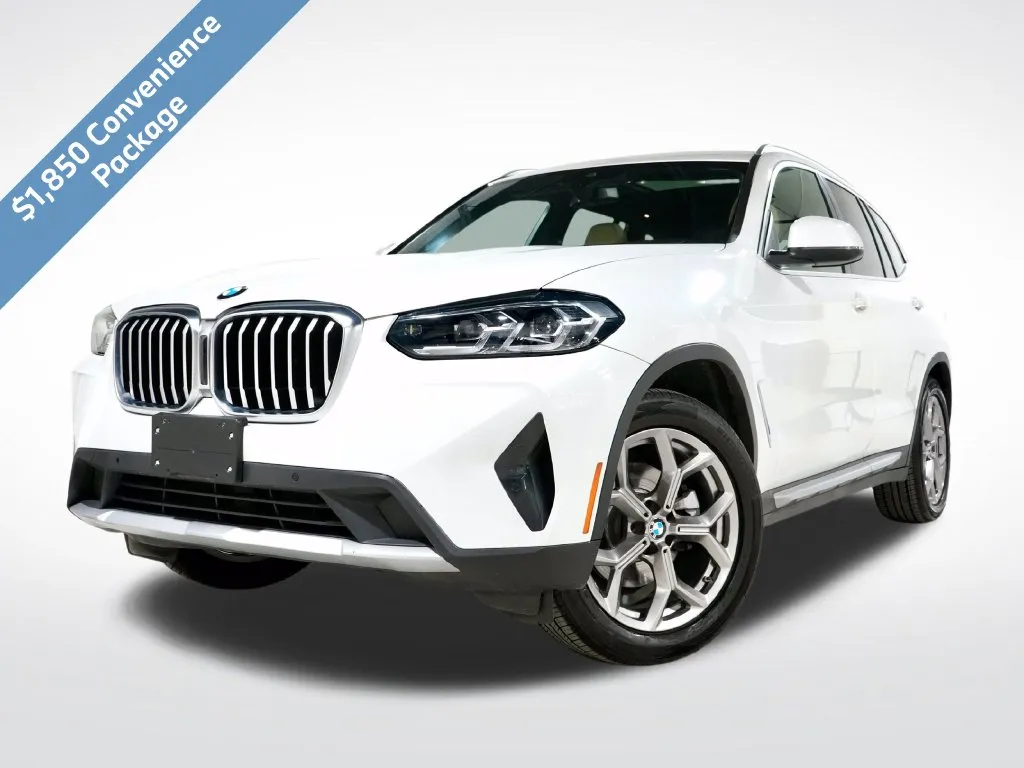
But after several years of depreciation, models such as the BMW X3 and X5, Mercedes-Benz GLC and GLE, Audi Q5 and Q7, Lexus RX and GX, Volvo XC60 and XC90, and Genesis GV70 and GV80 may become much more approachable on the used market.
For families, that can mean getting the space and practicality of an SUV while also enjoying the features and refinement of a premium vehicle.
Does a Used Luxury Car Cost More to Maintain?
This is something you should consider before buying.
A lower purchase price doesn't necessarily mean every ownership cost will be lower. Some luxury vehicles may require more expensive parts, specialized fluids, premium tires, or more involved maintenance than a mainstream vehicle.
That's why we recommend looking beyond the purchase price when deciding what fits your budget.
Ask about the vehicle's history, review its maintenance needs, and consider what routine ownership is likely to cost.
The goal shouldn't simply be to buy the most expensive vehicle you can afford. It should be to choose a vehicle you can comfortably purchase, maintain, and enjoy.
Used Luxury Cars in Charlotte, NC
At Dream Work Automotive, luxury vehicles are a big part of what makes our inventory interesting.
Charlotte shoppers can regularly find pre-owned BMW, Mercedes-Benz, Audi, Lexus, Volvo, Genesis, and other premium vehicles alongside our selection of cars, trucks, and SUVs.
That makes it easy to compare your options instead of assuming one type of vehicle is automatically outside your budget.
You might arrive expecting to buy a traditional used SUV and realize a BMW or Lexus fits your price range. Or you might compare a newer mainstream sedan with a slightly older Mercedes-Benz and discover you prefer the features and driving experience of the luxury option.
That's why test-driving and comparing vehicles matters.
Don't Assume Luxury Is Out of Reach
A luxury badge doesn't automatically mean an unaffordable price.
Shopping pre-owned can open the door to vehicles that may have been well outside your budget when they were new.
If you've always wanted a BMW, Mercedes-Benz, Audi, Lexus, Volvo, Genesis, or another luxury vehicle, don't rule it out before seeing what your budget can actually buy.
Visit Dream Work Automotive in Charlotte, NC and compare our current selection of pre-owned luxury cars and SUVs.
You may be closer to driving a luxury vehicle than you think.
Inventory, pricing, features, mileage, and availability vary by vehicle and are subject to change. Consider maintenance, insurance, financing, and other ownership costs when comparing vehicles.